


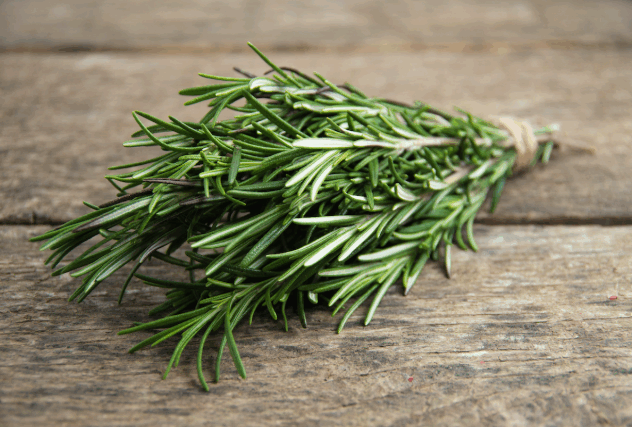
What is rosemary extract?
#Industry information ·2023-08-01 19:01:19


Rosemary (Salvia rosmarinus Spenn.) is a perennial evergreen sub shrub of the Salvia genus in the family Lamiaceae, reaching up to 2 meters in height. The stem and old branches are cylindrical in shape, with a dark gray cortex and irregular longitudinal cracks, while the young branches are square shaped and covered with white star shaped fine hairs. Rosemary is native to the Mediterranean coast of North Africa, Europe, and other regions. Nowadays, there are occasional introductions and cultivation in various parts of China. The plant has a strong aroma and was widely used as a vanilla seasoning and seasoning in Western cuisine, and has been in use ever since. Rosemary is also used in folk medicine, pharmaceuticals, and cosmetics industries.
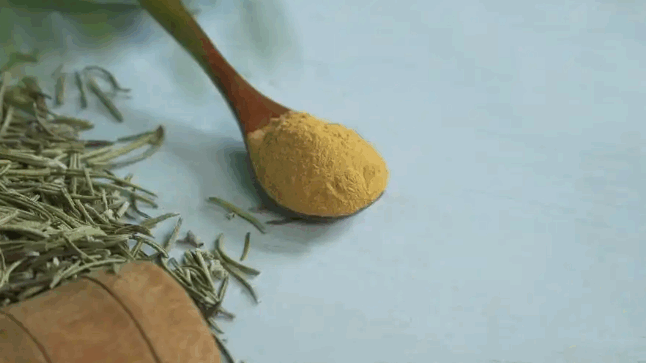
What is rosemary extract
Rosemary extract is a mixture of active ingredients enriched from the leaves and stems of rosemary using solvent extraction techniques. Its main active ingredients include:
Phenolic acid compounds, such as rosmarinic acid and caffeic acid, have strong antioxidant and anti-inflammatory activities.
Diterpenoid compounds, such as Carnosic acid and Carnosol, are potent natural antioxidants, particularly in the antioxidant properties of fats and oils.
Volatile components such as eucalyptus oil and camphor give rosemary a unique aroma and possess certain biological activity.
Different extraction processes and solvents can affect the proportions of various components in the extract, resulting in different application characteristics.
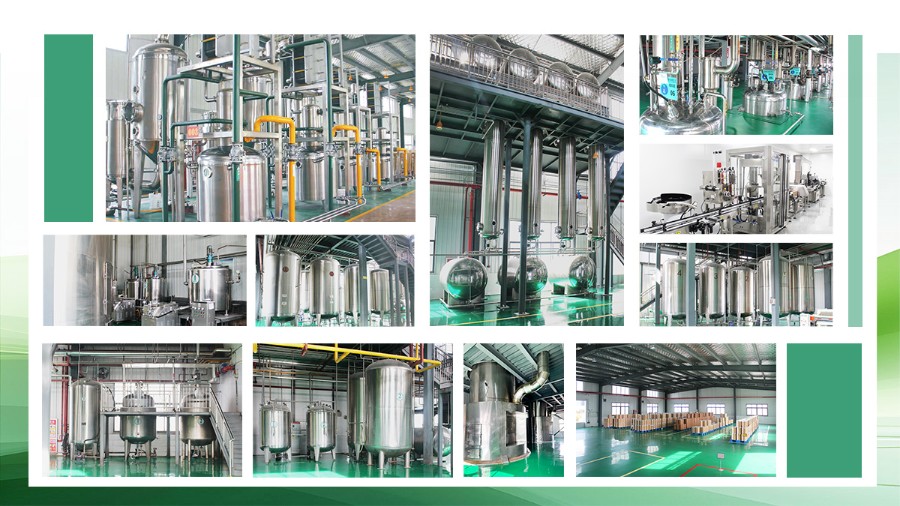
Extraction method of rosemary extract
The extraction of rosemary extract aims to efficiently and stably obtain its rich active ingredients, such as phenolic acids (rosmarinic acid, etc.) and diterpenoid compounds (oxalic acid, salvianolic acid, etc.), from the leaves and stems of rosemary. We will use multiple extraction processes based on different target components and application requirements. Generally, solvent extraction is used for extraction and manufacturing, which is currently the most widely used and mature extraction method. Dissolve the target components in rosemary by selecting the appropriate solvent.
Extraction steps:
Raw material pretreatment:
Harvesting and drying: Choose the appropriate harvesting period and pick fresh rosemary leaves and stems.
Cleaning: Remove sediment and impurities from the surface of raw materials.
Drying: Drying the cleaned rosemary raw materials to reduce moisture content is beneficial for solvent penetration and stability of active ingredients. Drying methods include natural air drying, hot air drying, vacuum drying, etc.
Crushing: Grind the dried rosemary raw material into appropriate particle size to increase the contact area with the solvent and improve extraction efficiency.
Solvent selection:
Select the appropriate solvent based on the polarity and solubility of the target component. Common solvents include:
Polar solvents: water, ethanol, methanol, acetone, etc., suitable for extracting phenolic acid compounds (such as rosmarinic acid).
Non polar or weakly polar solvents: ethyl acetate, dichloromethane, n-hexane, etc., suitable for extracting diterpenoid compounds (such as oxalic acid and salvianolic acid) or for removing impurities such as pigments and wax.
In actual production, mixed solvents are often used to improve extraction efficiency and selectivity.
Extraction:
Mix the crushed rosemary raw material with the selected solvent in a certain solid-liquid ratio.
Perform soaking extraction, reflux extraction, Soxhlet extraction, or ultrasound assisted extraction at the set temperature (from room temperature to reflux temperature) and time.
Soaking extraction: The simplest method is to soak the raw materials in a solvent and stir them regularly.
Reflux extraction: Heat the solvent to boiling, and the resulting steam condenses and refluxes to the extraction container to improve extraction efficiency.
Soxhlet extraction: utilizing the reflux and siphon principles of solvents, continuously extracting soluble components from solid raw materials with pure solvents, with high efficiency.
Ultrasound assisted extraction: utilizing the cavitation effect of ultrasound to destroy plant cell walls, promote the release of active ingredients, shorten extraction time, and improve extraction efficiency.
Solid liquid separation:
After extraction, the extraction solution is separated from the solid residue by filtration, centrifugation, and other methods.
Post processing of extraction solution:
Concentration: The concentrated extract is obtained by removing most of the solvents from the extract through evaporation, vacuum concentration, and other methods.
Purification: Further purify the concentrated extract as needed to remove impurities such as pigments, sugars, proteins, etc., and increase the content of target components. Common purification methods include:
Macroporous resin adsorption and separation: Separation and purification are carried out by utilizing the differences in adsorption and desorption of different polar components by resin.
Membrane separation technology: utilizing the selective permeability of semi permeable membranes for separation and purification.
Crystallization: By changing the solvent, temperature, and other conditions, the target component crystallizes and precipitates.
Drying: remove the residual solvent from the purified extract by spray drying, vacuum drying, freeze drying and other methods to obtain the final rosemary extract powder or oil.
Quality inspection:
Strict quality testing is conducted on the final product, including target ingredient content (such as rosmarinic acid, oxalic acid), heavy metal content, pesticide residues, microbial indicators, etc., to ensure that the product meets quality standards.
Packing:
Packaging qualified rosemary extract according to customer requirements.
The efficacy and effects of rosemary extract on the human body
Rosemary extract, rich in various bioactive ingredients, has multiple benefits for human health:
1. Powerful antioxidant effect: Rosemary extract is rich in rosmarinic acid, oxalic acid, and other natural antioxidants that can effectively eliminate free radicals in the body, resist oxidative stress, help delay aging, and protect cells from damage. This makes it widely used in the field of food preservation as a natural antioxidant to replace synthetic antioxidants.
2. Anti inflammatory effect: Studies have shown that phenolic acids and diterpenoids in rosemary extract have anti-inflammatory effects, which may help alleviate inflammation related problems such as arthritis and muscle soreness.
3. Improving cognitive function: Some studies have found that the aroma of rosemary and certain components in its extract may have effects on improving memory, attention, and mood. Inhalation of rosemary essential oil or oral administration of rosemary extract may have some positive effects on cognitive function.
4. Protecting liver health: Animal experiments have shown that rosemary extract may have a protective effect on the liver from toxic substances, helping to maintain liver function.
5. Antibacterial and antiviral activity: Some components in rosemary extract have shown certain antibacterial and antiviral activities in vitro experiments, which may help resist the invasion of certain pathogens.
6. Promote blood circulation: Traditionally, rosemary is believed to have a promoting effect on blood circulation, which may help improve problems such as cold hands and feet.

Main application areas
Food Industry
Fats and high-fat foods: This is one of the most important application areas for rosemary extract. Its strong antioxidant capacity (mainly attributed to oxalic acid and salvianolic acid) can effectively delay the oxidation and rancidity of oils, extend the shelf life of food, replace synthetic antioxidants such as BHA and BHT, and meet consumers' demand for natural and healthy food. Widely used in edible oil, baked goods, meat products, fried foods, seasonings, salad dressings, etc.
Natural Flavoring Agent: The volatile components in rosemary extract give food a unique herbal aroma, which can be used to season meat, poultry, fish, soups, sauces, etc., enhancing product flavor.

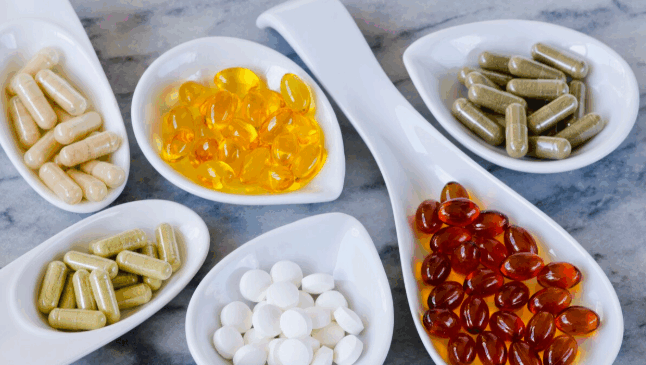
Health products and dietary supplements industry
Antioxidant products: With its excellent antioxidant activity, rosemary extract is widely used in dietary supplements for anti-aging, free radical scavenging, and immune enhancement.
Cognitive function support: Research has shown that rosemary extract may have a positive effect on improving memory, attention, and mood, and is therefore used in cognitive and brain health supplements.
Liver health support: Some studies have shown that rosemary extract may have a protective effect on the liver, so it is also used in liver protective health products.
Cosmetics and personal care products industry
Anti aging skin care products: the antioxidant properties of rosemary extract help to resist the damage of free radicals to the skin and delay the skin aging, which is widely used in anti-aging products such as face cream, essence, facial mask, etc.
Soothing and anti-inflammatory products: Their anti-inflammatory effects make them suitable for sensitive skin care, post sun repair, and other products, helping to alleviate skin irritation and inflammation.
Natural flavor: The unique aroma of rosemary extract makes it a natural flavor ingredient of personal care products such as perfume, body wash, shampoo, hand cream, etc.
Scalp care products: Traditionally, rosemary is believed to help promote scalp blood circulation, so it is also used in some scalp care and hair loss prevention products.

Feed industry
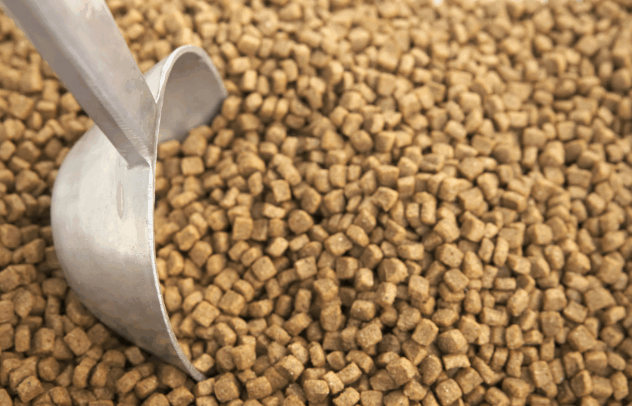
Pet food: Similar to human food, rosemary extract is mainly used as a natural antioxidant in pet food to protect the fat in feed and extend shelf life.
Livestock feed: Some studies have explored the application of rosemary extract in livestock feed, which may have the potential to improve animal health and enhance production performance.
Is rosemary extract harmful to cats
High doses of rosemary extract or rosemary essential oil may be harmful to cats. Cats' livers lack certain specific metabolic enzymes, making it difficult for them to effectively metabolize certain plant derived compounds, including some volatile components and phenolic compounds in rosemary. Excessive intake may cause the following symptoms in cats:
1. Gastrointestinal discomfort: vomiting, diarrhea, loss of appetite.
2. Neurological symptoms: Trembling, convulsions, ataxia (unstable walking).
3. Liver damage: Long term or excessive intake may cause a burden on the liver.
Therefore, direct feeding of pure rosemary extract or rosemary essential oil to cats is absolutely prohibited.

Is rosemary in cat food a food attractant
Rosemary extract added to cat food is usually not used as the main attractant. Its main purpose is to serve as a natural antioxidant, used to protect the fat components in cat food, prevent oxidation and spoilage, and extend shelf life.
The dosage of rosemary extract added to cat food is usually very low, far below the dosage that may cause toxic side effects on cats. Legitimate brands of cat food will be very cautious in formula design and safety assessment.
However, rosemary itself has a certain fragrance, and for some cats, this fragrance may increase the palatability of food and play a certain auxiliary feeding role. But its main function is not to attract food, but to resist oxidation.
Our products
Xi'an Tianzhicui Biotechnology always adheres to high standards and strict requirements. Our rosemary extract selects high-quality raw materials and adopts advanced extraction technology to ensure sufficient active ingredient content and excellent quality. At the same time, by optimizing production processes and supply chain management, we provide customers with highly competitive prices while ensuring first-class quality. We are your trusted supplier of high-quality and cost-effective rosemary extract.
If you have any other questions, please feel free to contact us at any time. Professional business personnel will answer your questions as soon as possible.